

Month: August 2026
Lunar Eclipse vs Solar Eclipse: What’s the Difference?
Have you ever looked up and been made to pause? Eclipses often cause that reaction. They are counted among those rare sky events that carry an almost magical feel. But solar and lunar eclipses are often confused, even though there are clear differences between them. So let us get that sorted out now.
What Is an Eclipse?
An eclipse is caused when the Sun, the Moon, and the Earth are aligned in a straight row. Another blocks the light to one body. It can be pictured like a lamp being covered by someone standing in front of it. That is the basic idea. It may sound simple, but a striking view is created for us on Earth.
Solar Eclipse
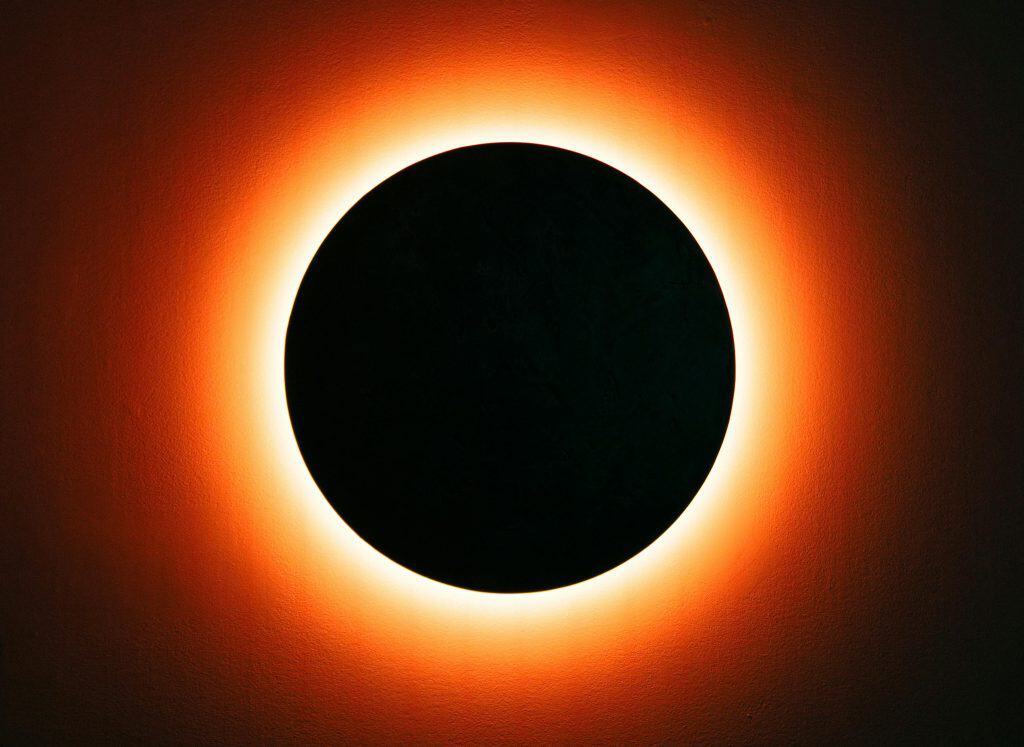
A solar eclipse is observed during the day. The Moon is brought between the Earth and the Sun. Sunlight is blocked from reaching us on Earth. For a few short minutes, the sky is darkened in full daylight. To you and me, that can feel almost unreal in the best way.
Solar eclipses are not seen very often. One is usually noted about every 18 months. And even then, you need to be in the right place on Earth for it to be seen clearly. They last about 5 to 7 minutes. Short, intense, and easy to miss if not paying attention.
One major warning must be followed: a solar eclipse should never be watched with the naked eye. Serious eye damage can be caused. The retina can be harmed, and the damage can stay with you. Proper eclipse glasses should be used if the event is going to be viewed safely.
Lunar Eclipse
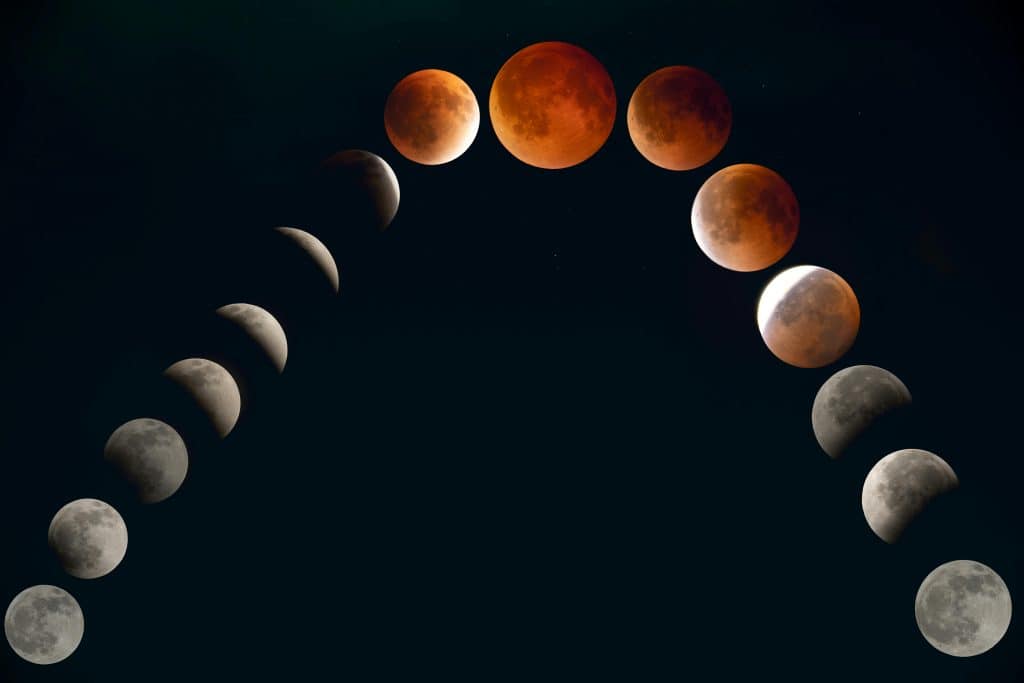
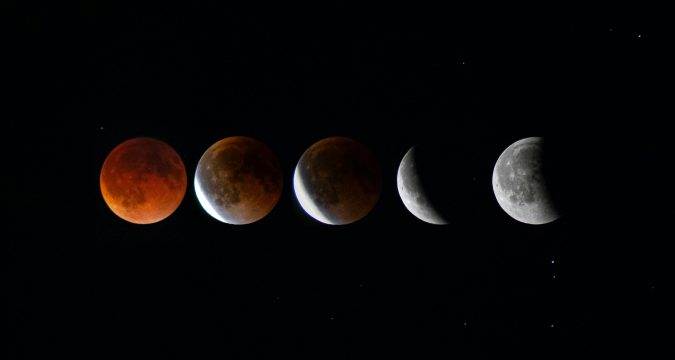
A lunar eclipse occurs when the Moon passes into Earth’s shadow. The Earth is placed between the Sun and the Moon. Then the Moon is covered by Earth’s shadow. A deep red or orange color is often seen on its surface. This sight is often called a “blood moon.” To us, it can look as if the Moon is being lit from within.
Lunar eclipses happen about twice a year. They’re way easier to catch than solar eclipses. A big portion of the nightside of Earth can see it at the same time. And you can watch it with your bare eyes, and no special glasses are needed. Just go outside and look up.
They are also given more time. A lunar eclipse can last for over an hour. So you are not rushed through the view. We can grab a blanket, lie on the grass, and take in the whole event.
Solar vs Lunar Eclipse: Side by Side
| How long does it last | Solar Eclipse | Lunar Eclipse |
| What’s in the middle | The moon | A large part of the Earth |
| Time of day | Daytime | Nighttime |
| How often | Every 18 months | Twice a year |
| How long it lasts | Five to seven minutes | Over an hour |
| Visible area | The Earth | A small part of the Earth |
| A large part of the Earth | No — never | Yes |
| Moon phase | New moon | Full moon |
Why Scientists Love Eclipses
Scientists are often excited when an eclipse appears. During a solar eclipse, a rare opportunity arises to study the Sun’s outer layer, the corona. Under normal conditions, it is hidden by the Sun’s bright light. During a lunar eclipse, the way light is bent and scattered by Earth’s atmosphere can be examined. In both events, we learn more about how our solar system works.
Ancient people also used eclipses to track time and seasons. So their importance has endured for a very long time.
Which One Should You Watch?
Both deserve to be watched at least once. In a solar eclipse, a short and dramatic view is given to you. In a lunar eclipse, a longer and more colorful show is offered. A calmer mood is also created. Either way, you will likely be left with a big grin. You can also check NASA’s pages for lunar and solar eclipses to find out when the next one will occur near you.

