

Category: Space Technology
Can AI Drive a Spacecraft? Autonomy in Rovers and Probes
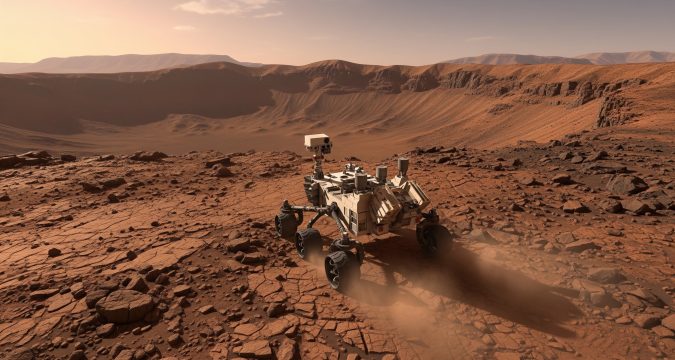
Controlling a Rover on Mars would be like driving a car down a road with a 20-minute delay after every move. Doesn’t sound that great, right?
Due to Mars’ 140 million miles distance from Earth. When you say “turn left,” it doesn’t happen immediately. Mars rovers can’t execute commands in real time. They can’t use “turn left” instructions, because a command may take a long time to arrive. Mars rovers don’t operate like cars; they move autonomously by following pre-determined instructions. NASA has used remote-control “drivers” for decades to generate fully autonomous “driving” instructions for rovers that don’t include “turn left” commands.
But now, something big has changed.
The Rover That Drove Itself
In December 2025, NASA’s Perseverance rover did something that no other spacecraft has ever done. It has become the first to complete two fully autonomous drives on Mars. There were no human route planners nor manual mapping: just the AI, the terrain data, and a lot of trust. The drives took place on December 8 and December 10. On the first day, Perseverance drove 689 feet, and on the second day, 807 feet. That is almost 1,500 feet total on the rocky rim of Jezero Crater.
JPL ran the whole project. The team worked with AI company Anthropic and used Claude AI models to pull it off.
How Did the AI Plan the Route?
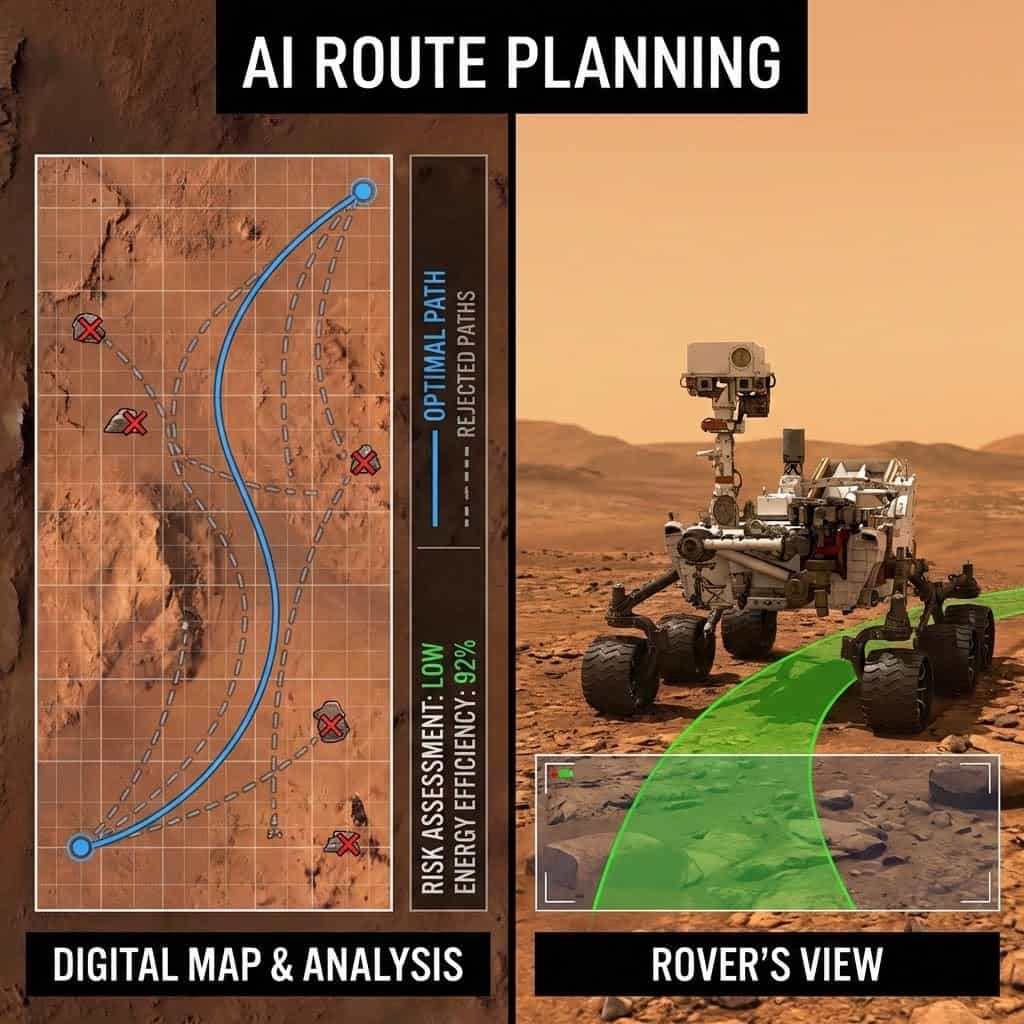
The AI looked at the same images and data that human planners normally use. It studied detailed photos from NASA’s Mars Reconnaissance Orbiter high above. It also checked slope data pulled from digital terrain maps.
From all that, it did three key things:
- It spotted rocks, steep slopes, and dangerous boulder fields
- It found safer zones with flat ground and solid bedrock
- It laid out a full path with waypoints — set spots where the rover pauses and picks up fresh instructions
Waypoints act like points of interest on a road trip. The rover gets to one, checks its location, then heads to the next one. You can consider it similar to following breadcrumbs through a very rocky, red desert.
Before any of this was sent to Mars, the team simulated the full plan with a digital version of Perseverance on Earth. They analyzed over 500,000 data points. Only then were the commands sent to the rover.
Why This Is a Big Deal
The further a spacecraft travels from Earth, the more difficult it becomes to take over control from a human. Deep-space missions will face such long delays before human control becomes possible.
AI fixes that gap. A smart rover can scan its surroundings, pick its own path, and keep rolling — no waiting hours for a human to respond. More ground gets covered. More science gets done.
Vandi Verma, a space scientist at JPL, said it clearly: “We are moving towards a day where generative AI and other smart tools will help our surface rovers handle kilometer-scale drives… and flag interesting surface features for our science team.”
That day kicked off in December 2025.
So, Can AI Drive a Spacecraft?
Yes. It already has. Perseverance showed that AI can safely handle alien terrain on its own. This is just the start. Rovers and probes may soon run full missions with very little human help. Space exploration just got a whole lot more exciting.
Space Careers Beyond Astronaut: 15 Jobs in Astronomy & Space
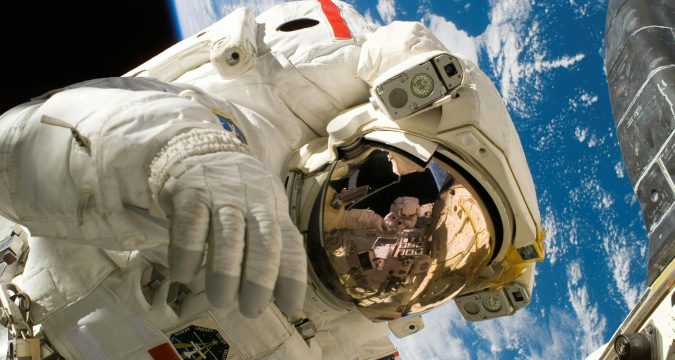
Most people hear “space career” and picture an astronaut floating in zero gravity. Cool image. But astronauts make up a tiny slice of the space workforce. Thousands of people work in space jobs and never once leave the ground. Not even close.
If you love space but are not planning to take a ride on a rocket anytime soon, you have a huge number of options. You can get a number of jobs that aid space exploration from Earth. There are scientists, engineers, writers, and even photographers who assist in space exploration. A single space mission requires thousands of people.
Scientists Who Study the Stars
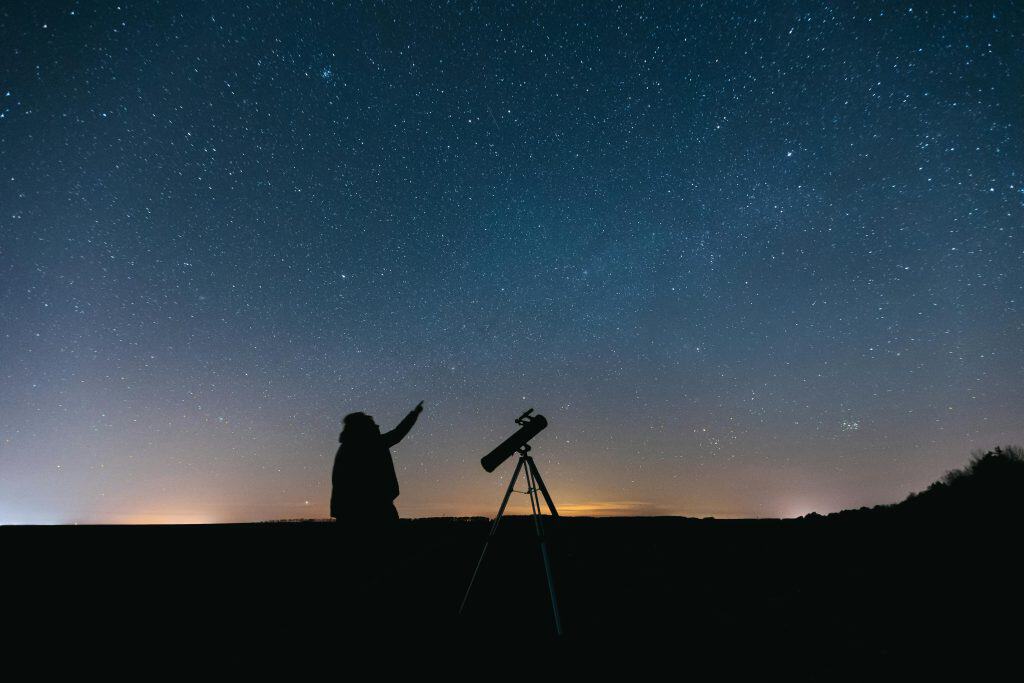
Scientists are the most important members of the space research community. They study and propose answers to the most important questions in space research, such as “How old is the universe?” and “Is there life outside Earth?”
There are so many different branches of science. Each of them employs their own set of methods to understand and address the challenges set before them.
There are multiple categories of scientists. And for each of these categories, there are unique approaches within their field that help them tackle the challenges they face.
- Astronomers, for example, study celestial bodies such as stars, planets, and galaxies. They also analyze remote cosmic entities using space probes and telescopes that can reach them.
- Atmospheric scientists study the atmosphere, weather, and climate of a place over time. They do this using satellites and weather balloons, which help them monitor and predict weather over long periods.
- Plasma physicists study the hot, charged gas found inside stars and in deep space. Their work is important because it helps protect satellites and aircraft systems from space weather events.
Engineers Who Build the Machines
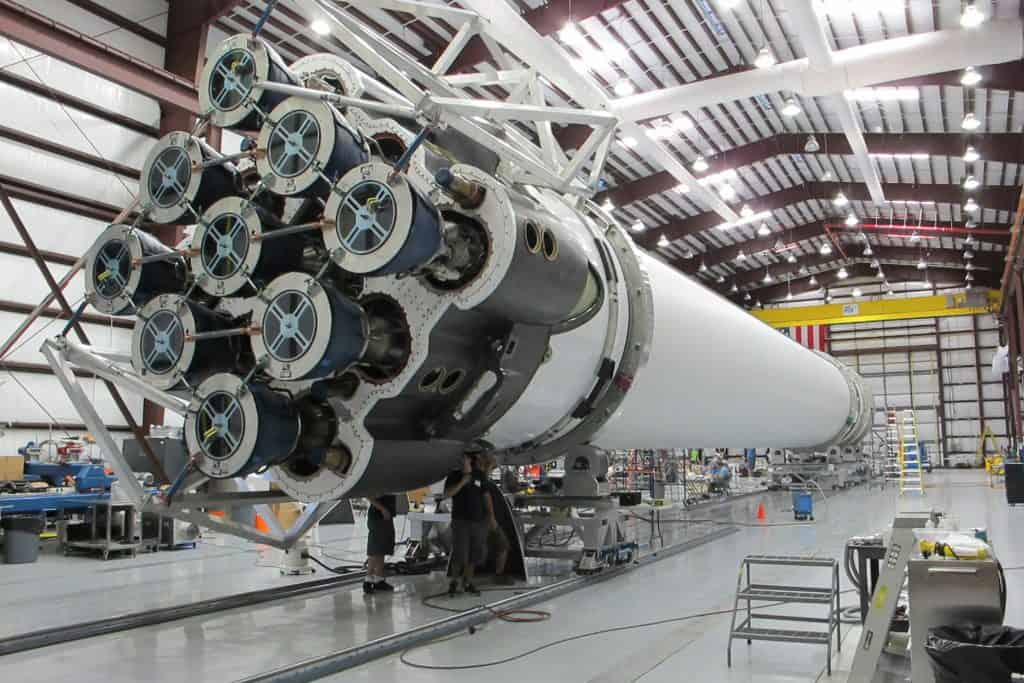
Engineering is the answer to all challenges. They create the rockets, tools, and systems that enable the start of a space journey.
- Aerospace engineers build and test aircraft, missiles, and spacecraft. They figure out how to make vehicles work in places without air, like space.
- Space activity is monitored by computers and systems designed by computer hardware engineers. They document their work carefully so others can use what they build.
- Electronics engineers focus on instrument panels in aircraft and spacecraft. They check every part to make sure it’s safe and also works the way it should.
- Mechanical engineers make the tools, engines, and machines that enable space missions. They often work with aerospace engineers to design steering mechanisms for rocket nozzles.
Technicians Who Get Their Hands Dirty
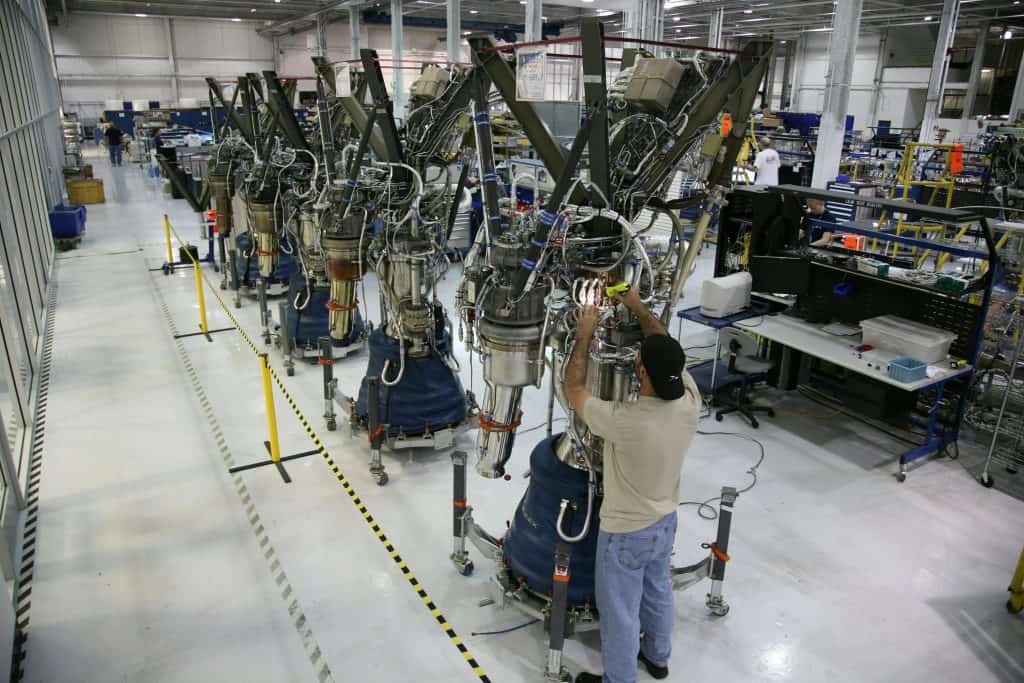
Technicians do the hands-on work. They test designs, check launch conditions, and keep aircraft systems running.
- Aerospace engineering technicians perform tests on rockets and other spacecraft. They analyze and report any changes the data reveals.
- Avionics technicians oversee the communication and navigation systems of planes and spacecraft. They install control panels, replace faulty components, and also document all their activities.
- Meteorological technicians observe and study the atmosphere and weather elements. They launch weather balloons to evaluate weather conditions prior to rocket launch.
Media and Communications Jobs
Space discoveries don’t spread themselves. Someone has to explain them clearly, and that’s exactly what these workers do.
- Photographers document every phase of a space project. From the first blueprints to launch day, they capture the history as it happens.
- Producers and directors create videos that teach people about space topics. They manage budgets, schedules, and creative decisions simultaneously.
- Public relations specialists keep the public informed. They answer media questions, arrange school speakers, and write news updates about discoveries.
- Technical writers turn complex science into plain, simple language. They work side by side with scientists and use charts, photos, and diagrams to help readers follow along.
One More Worth Mentioning
- Flight surgeons study how space travel affects the human body. NASA flight surgeon Joseph Dervay trains in water tanks with astronauts and flies in jets to grasp what they go through. That’s some real dedication.
So What Do You Need to Get Started?
Most of these jobs need at least a bachelor’s degree. Scientists often need a doctoral degree. Technicians can start with an associate’s degree. Photographers can get in the door with a high school diploma plus hands-on experience.
Key skills for almost every space job:
- Strong teamwork
- Curiosity and the drive to keep learning
- Clear communication
- The ability to stay calm under pressure
NASA also offers internships for high school and college students. That’s one of the best ways to try out space work before committing to a full career path.
Space is huge, and the career options are just as big.

