

Category: Space Careers
Space Careers Beyond Astronaut: 15 Jobs in Astronomy & Space
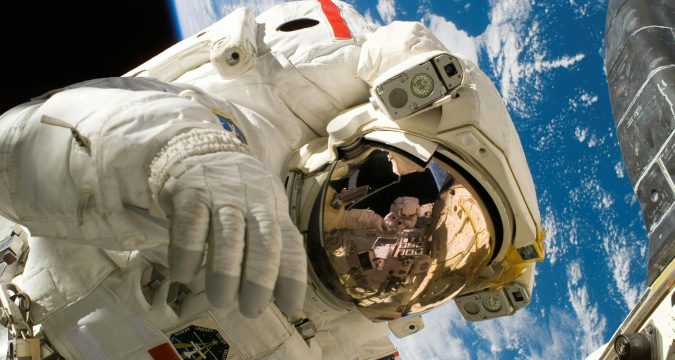
Most people hear “space career” and picture an astronaut floating in zero gravity. Cool image. But astronauts make up a tiny slice of the space workforce. Thousands of people work in space jobs and never once leave the ground. Not even close.
If you love space but are not planning to take a ride on a rocket anytime soon, you have a huge number of options. You can get a number of jobs that aid space exploration from Earth. There are scientists, engineers, writers, and even photographers who assist in space exploration. A single space mission requires thousands of people.
Scientists Who Study the Stars
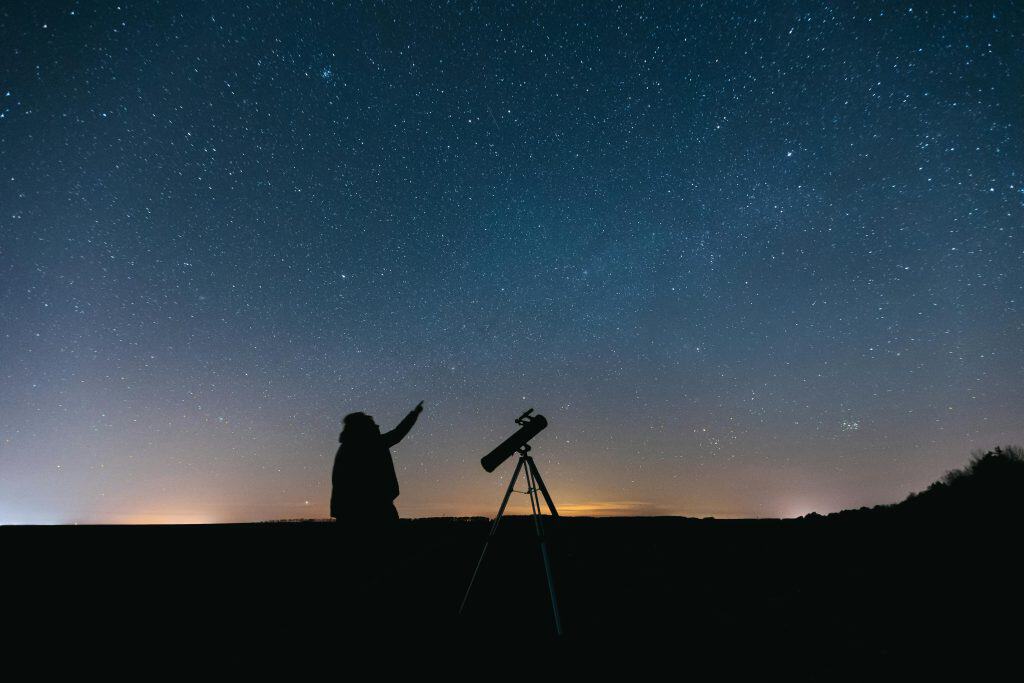
Scientists are the most important members of the space research community. They study and propose answers to the most important questions in space research, such as “How old is the universe?” and “Is there life outside Earth?”
There are so many different branches of science. Each of them employs their own set of methods to understand and address the challenges set before them.
There are multiple categories of scientists. And for each of these categories, there are unique approaches within their field that help them tackle the challenges they face.
- Astronomers, for example, study celestial bodies such as stars, planets, and galaxies. They also analyze remote cosmic entities using space probes and telescopes that can reach them.
- Atmospheric scientists study the atmosphere, weather, and climate of a place over time. They do this using satellites and weather balloons, which help them monitor and predict weather over long periods.
- Plasma physicists study the hot, charged gas found inside stars and in deep space. Their work is important because it helps protect satellites and aircraft systems from space weather events.
Engineers Who Build the Machines
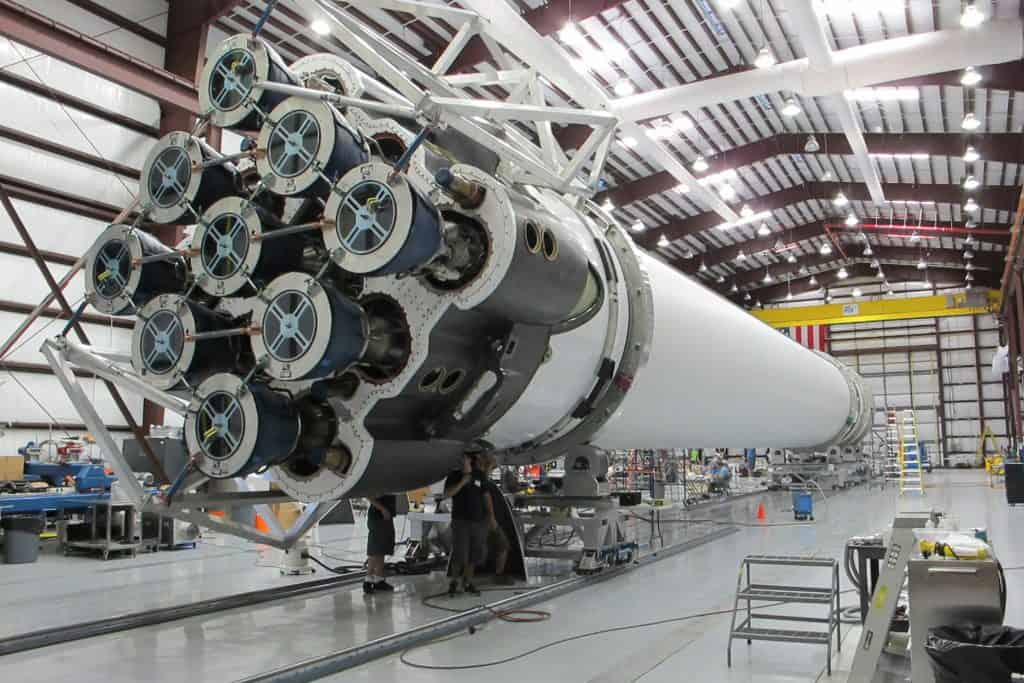
Engineering is the answer to all challenges. They create the rockets, tools, and systems that enable the start of a space journey.
- Aerospace engineers build and test aircraft, missiles, and spacecraft. They figure out how to make vehicles work in places without air, like space.
- Space activity is monitored by computers and systems designed by computer hardware engineers. They document their work carefully so others can use what they build.
- Electronics engineers focus on instrument panels in aircraft and spacecraft. They check every part to make sure it’s safe and also works the way it should.
- Mechanical engineers make the tools, engines, and machines that enable space missions. They often work with aerospace engineers to design steering mechanisms for rocket nozzles.
Technicians Who Get Their Hands Dirty
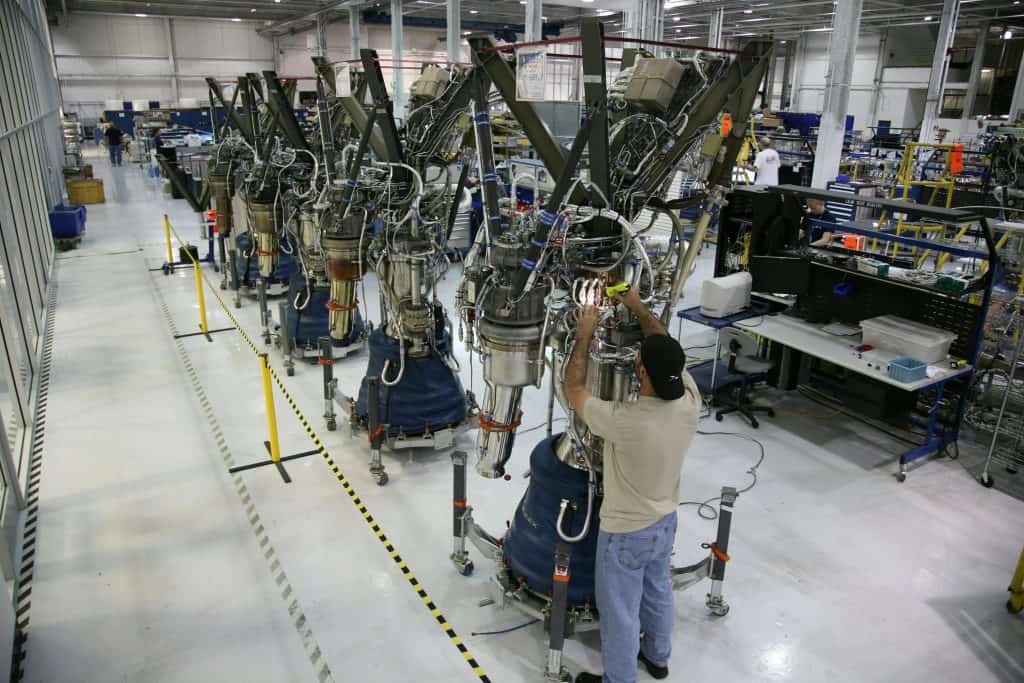
Technicians do the hands-on work. They test designs, check launch conditions, and keep aircraft systems running.
- Aerospace engineering technicians perform tests on rockets and other spacecraft. They analyze and report any changes the data reveals.
- Avionics technicians oversee the communication and navigation systems of planes and spacecraft. They install control panels, replace faulty components, and also document all their activities.
- Meteorological technicians observe and study the atmosphere and weather elements. They launch weather balloons to evaluate weather conditions prior to rocket launch.
Media and Communications Jobs
Space discoveries don’t spread themselves. Someone has to explain them clearly, and that’s exactly what these workers do.
- Photographers document every phase of a space project. From the first blueprints to launch day, they capture the history as it happens.
- Producers and directors create videos that teach people about space topics. They manage budgets, schedules, and creative decisions simultaneously.
- Public relations specialists keep the public informed. They answer media questions, arrange school speakers, and write news updates about discoveries.
- Technical writers turn complex science into plain, simple language. They work side by side with scientists and use charts, photos, and diagrams to help readers follow along.
One More Worth Mentioning
- Flight surgeons study how space travel affects the human body. NASA flight surgeon Joseph Dervay trains in water tanks with astronauts and flies in jets to grasp what they go through. That’s some real dedication.
So What Do You Need to Get Started?
Most of these jobs need at least a bachelor’s degree. Scientists often need a doctoral degree. Technicians can start with an associate’s degree. Photographers can get in the door with a high school diploma plus hands-on experience.
Key skills for almost every space job:
- Strong teamwork
- Curiosity and the drive to keep learning
- Clear communication
- The ability to stay calm under pressure
NASA also offers internships for high school and college students. That’s one of the best ways to try out space work before committing to a full career path.
Space is huge, and the career options are just as big.

