

Category: Celestial Events
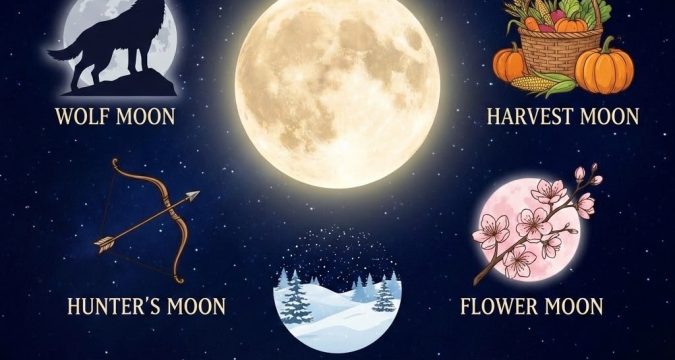
Full Moon Names Explained (Wolf Moon, Harvest Moon, etc.)
Have you ever heard someone say “the Wolf Moon is rising” and had no clue what that meant? If that is the case, you are not alone in that. Full moons have been given special names for thousands of years. And each name hides a special story about nature, the seasons, and also life in a very different time.
Most of these names were given by Native American tribes. They used the moon like a clock and a calendar. So the night sky was read the way a schedule is read. Each full moon was linked to a shift in nature. Planting was timed. Hunting was planned. Cold weather was prepared for. Later, the names were adopted by Colonial Americans. Now they are heard as part of normal sky talk. And if you have heard them, the same old system has been passed on to you.
Here’s a look at each month’s full moon name and what it actually means:
January — Wolf Moon
During midwinter, hungry wolves were heard in the distance. Food was hard to find. So their calls were sent across empty fields. That is how January’s moon was named, and you can see the scene without much effort.
February — Snow Moon
Throughout most of February, heavy snow fell across North America. The moon was named after what was covering everything. In some areas, the storm moon name was used. The hunger moon name was used too. If you have been caught in a long winter, you and I know how those names were earned.
March — Worm Moon
When the ground began to thaw, worm trails were left in the soil. This sign was noticed year after year by Native Americans. It was treated as a marker that winter was ending—a small detail, yet it was trusted.
April — Pink Moon
The moon is not painted pink. The name was taken from a small wildflower that blooms early in spring. It is a small joke in the name. Still, the timing was useful, so the name stayed.
May — Flower Moon
By May, flowers are seen in many places. So the name was given. Some tribes also called it the corn planting moon.
June — Strawberry Moon
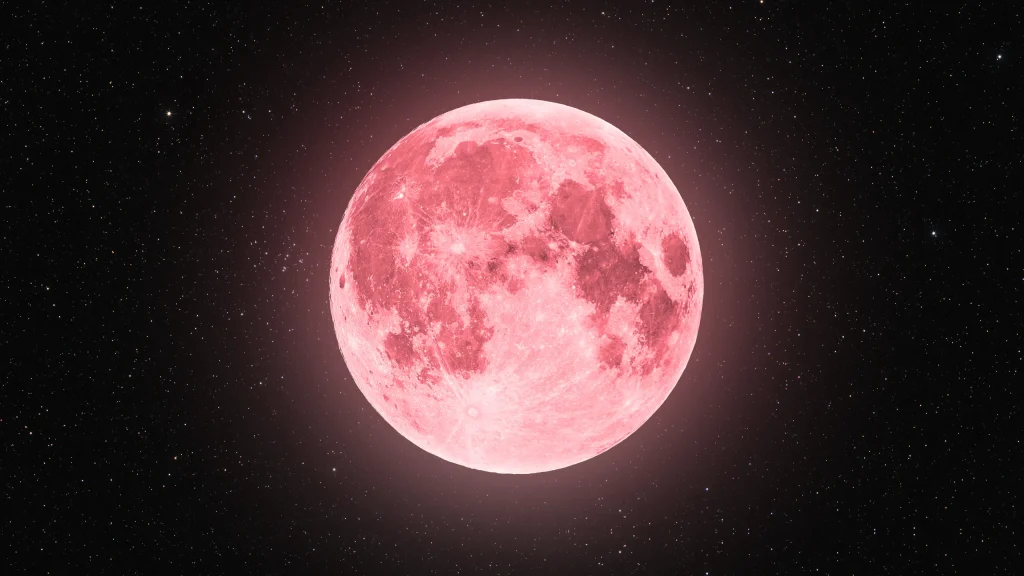
Strawberry season kicked off in June across North America. Europeans called it the rose moon instead. Both names feel right for early summer.
July — Buck Moon
Male deer start growing back their antlers in July. That yearly cycle gave this moon its name. Some also call it the thunder moon, after summer storms.
August — Sturgeon Moon
Fishing tribes noticed sturgeon appeared in big numbers in August. The moon got named after the catch of the season—simple logic.
September — Corn Moon / Harvest Moon
By September, crops were ready for harvest. The moon rose bright and early. That extra light was used for work after dark. When this moon is set closest to the fall equinox, the name Harvest Moon is used. It was kept because it fit.
October — Hunter’s Moon
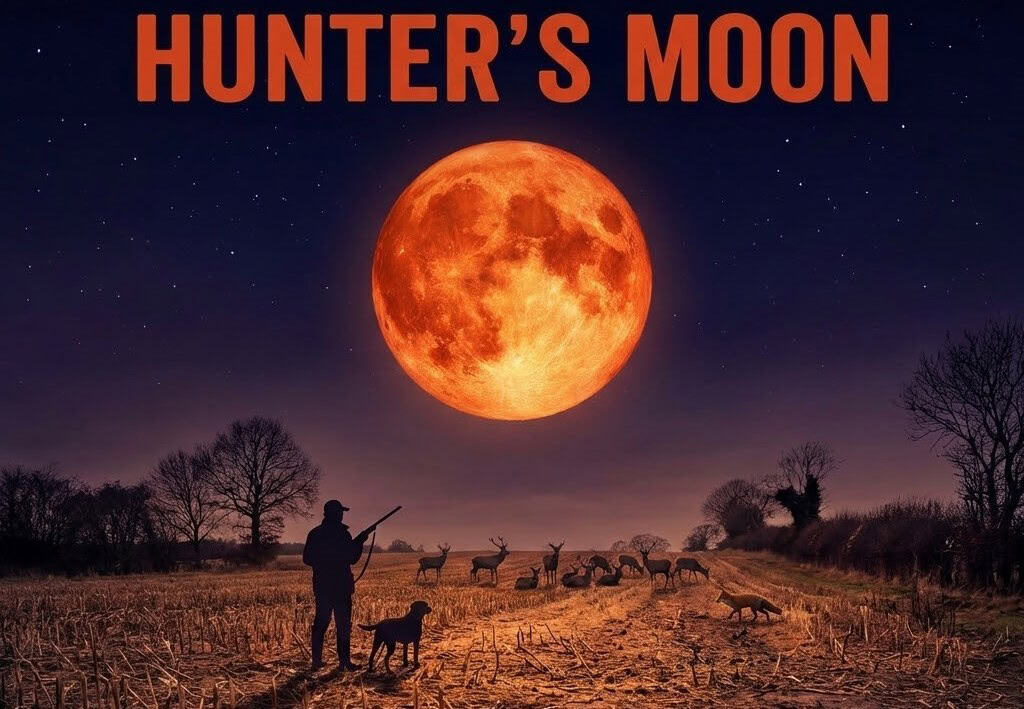
Bare fields after harvest left deer and fox with nowhere to hide. Hunters used the bright October moon to track prey deep into the night.
November — Beaver Moon:
Beavers were busy in November. Some say tribes set traps during this time. Others say beavers rushed to build their winter dams. Either way, beavers were clearly having a hectic month.
December — Cold Moon
Winter arrives. Nights stretch long. The name says it all.
Now what about the Blue Moon? Every two and a half years, you will notice that an extra full moon shows up in the calendar. That thirteenth moon earned the nickname “blue moon.” Nothing to do with color — it’s just a rare extra one that sneaks into the year.
These names are more than fun facts. They show how closely people once watched the sky — no phone apps, no weather forecasts, just the moon telling them what came next.
Lunar Eclipse vs Solar Eclipse: What’s the Difference?
Have you ever looked up and been made to pause? Eclipses often cause that reaction. They are counted among those rare sky events that carry an almost magical feel. But solar and lunar eclipses are often confused, even though there are clear differences between them. So let us get that sorted out now.
What Is an Eclipse?
An eclipse is caused when the Sun, the Moon, and the Earth are aligned in a straight row. Another blocks the light to one body. It can be pictured like a lamp being covered by someone standing in front of it. That is the basic idea. It may sound simple, but a striking view is created for us on Earth.
Solar Eclipse
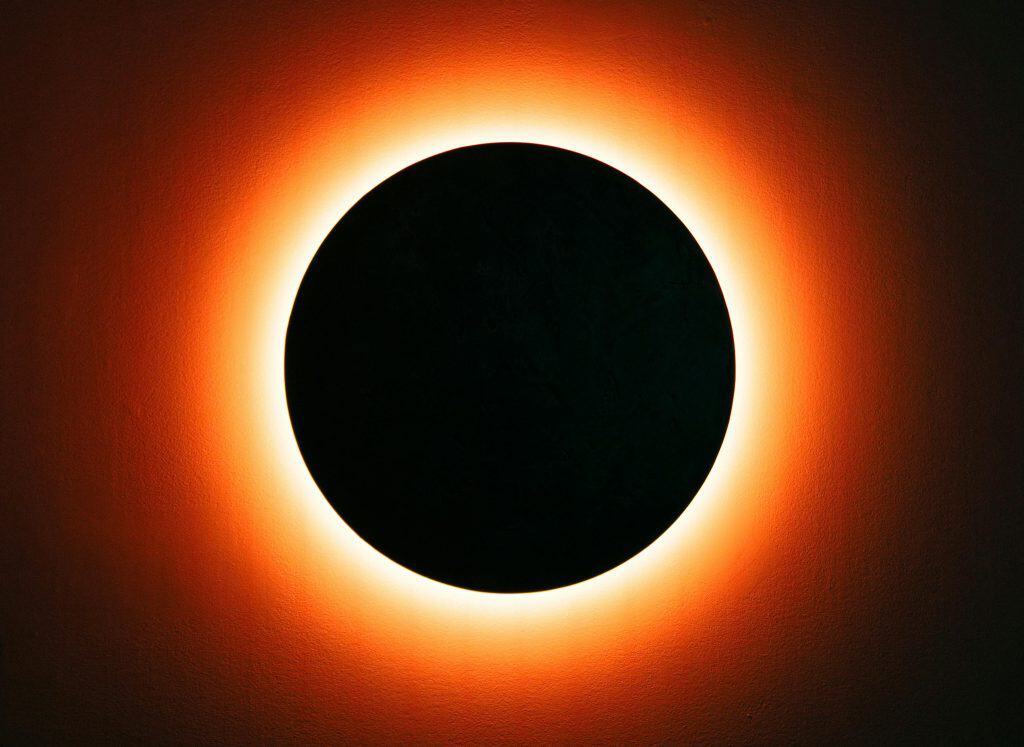
A solar eclipse is observed during the day. The Moon is brought between the Earth and the Sun. Sunlight is blocked from reaching us on Earth. For a few short minutes, the sky is darkened in full daylight. To you and me, that can feel almost unreal in the best way.
Solar eclipses are not seen very often. One is usually noted about every 18 months. And even then, you need to be in the right place on Earth for it to be seen clearly. They last about 5 to 7 minutes. Short, intense, and easy to miss if not paying attention.
One major warning must be followed: a solar eclipse should never be watched with the naked eye. Serious eye damage can be caused. The retina can be harmed, and the damage can stay with you. Proper eclipse glasses should be used if the event is going to be viewed safely.
Lunar Eclipse
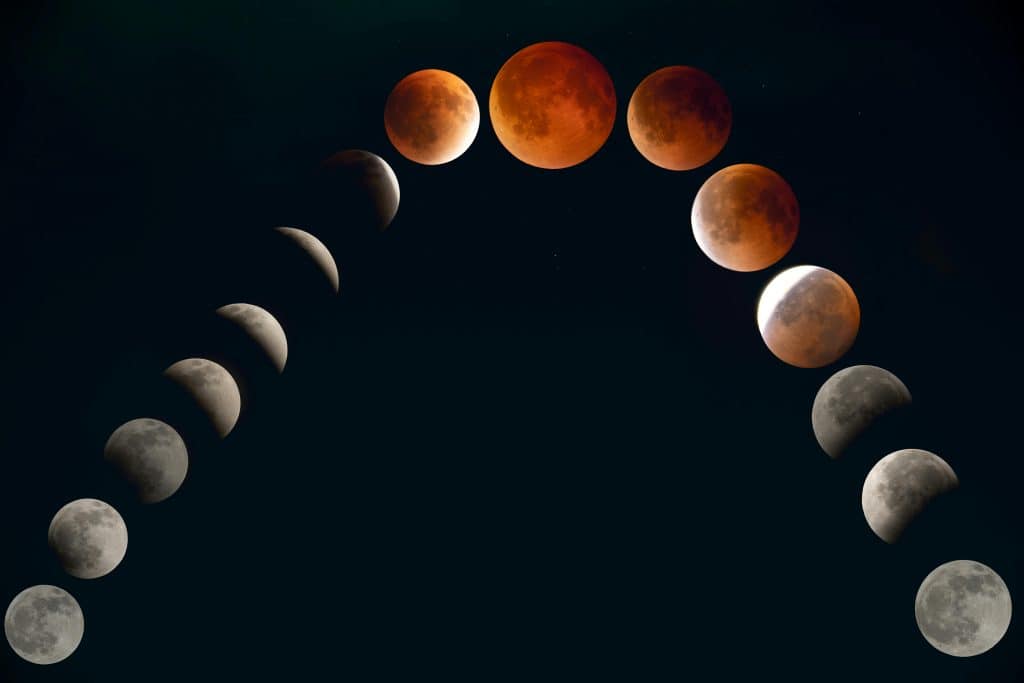
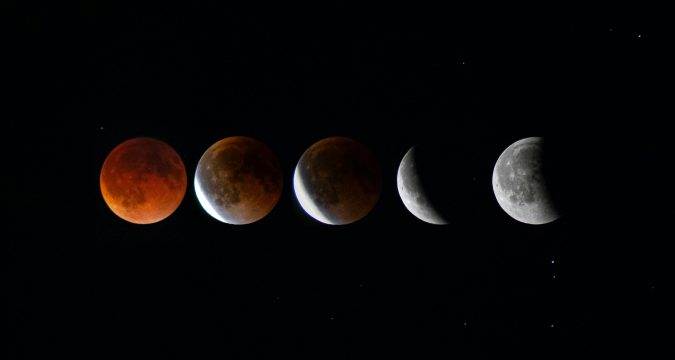
A lunar eclipse occurs when the Moon passes into Earth’s shadow. The Earth is placed between the Sun and the Moon. Then the Moon is covered by Earth’s shadow. A deep red or orange color is often seen on its surface. This sight is often called a “blood moon.” To us, it can look as if the Moon is being lit from within.
Lunar eclipses happen about twice a year. They’re way easier to catch than solar eclipses. A big portion of the nightside of Earth can see it at the same time. And you can watch it with your bare eyes, and no special glasses are needed. Just go outside and look up.
They are also given more time. A lunar eclipse can last for over an hour. So you are not rushed through the view. We can grab a blanket, lie on the grass, and take in the whole event.
Solar vs Lunar Eclipse: Side by Side
| How long does it last | Solar Eclipse | Lunar Eclipse |
| What’s in the middle | The moon | A large part of the Earth |
| Time of day | Daytime | Nighttime |
| How often | Every 18 months | Twice a year |
| How long it lasts | Five to seven minutes | Over an hour |
| Visible area | The Earth | A small part of the Earth |
| A large part of the Earth | No — never | Yes |
| Moon phase | New moon | Full moon |
Why Scientists Love Eclipses
Scientists are often excited when an eclipse appears. During a solar eclipse, a rare opportunity arises to study the Sun’s outer layer, the corona. Under normal conditions, it is hidden by the Sun’s bright light. During a lunar eclipse, the way light is bent and scattered by Earth’s atmosphere can be examined. In both events, we learn more about how our solar system works.
Ancient people also used eclipses to track time and seasons. So their importance has endured for a very long time.
Which One Should You Watch?
Both deserve to be watched at least once. In a solar eclipse, a short and dramatic view is given to you. In a lunar eclipse, a longer and more colorful show is offered. A calmer mood is also created. Either way, you will likely be left with a big grin. You can also check NASA’s pages for lunar and solar eclipses to find out when the next one will occur near you.
Meteor Showers 101: Best Times to Watch + Viewing Tips
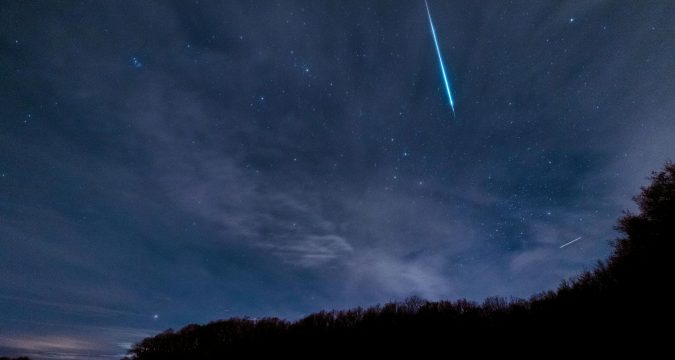
There is something special about being stretched out under a dark sky. A line of light is seen across it. Then another is spotted. You are pulled outside by meteor showers in the middle of the night with a blanket in hand. And bedtime is soon forgotten. That phenomenon is totally worth it.
But timing matters a lot too. If you miss the peak night, you might see almost nothing. Here’s everything you need to catch the best shows this year.
What Even Is a Meteor Shower?
It can be explained in a simple image. Earth is sent through a dusty trail left behind by a comet. Tiny pieces of rock and dust are dropped along that path by the comet. That trail is crossed by Earth every year at nearly the same time. When those small bits enter our atmosphere, they are burned up in a bright flash. That is the streak you saw overhead. Simple enough.
Each shower has a “radiant.” That’s the point in the sky where the meteors seem to start from. The Perseids come from the Perseus star group. The Leonids come from Leo. I am sure you get the idea.
2026 Meteor Shower Calendar
| Shower | Peak Date | Meteors/Hour | Moon | Best Viewing |
| Lyrids | April 22 | 10 | Waxing Crescent | Predawn |
| Eta Aquarids | April 22 | 10 | Waning Gibbous | Predawn |
| Delta Aquarids | May 4 | 10-20 | Waning Gibbous | Predawn |
| Perseids | Aug 11-13 | 50+ | New Moon | Predawn |
| Draconids | July 30 | 6 | Waning Crescent | Evening |
| Orionids | Oct 21-22 | 15 | Waxing Gibbous | Predawn |
| Northern Taurids | October 9 | 3 | New Moon | Evening |
| Leonids | Nov 17-18 | 10-15 | Waxing Gibbous | Predawn |
| Andromedids | Nov 25-27 | 5 | Waning Gibbous | Evening |
| Geminids | Dec 13-14 | 75 | Waxing Crescent | All Night |
| Ursids | November 9 | 5 | Waxing Gibbous | Predawn |
The Shows Worth Staying Up For
Perseids – August 11 to 13
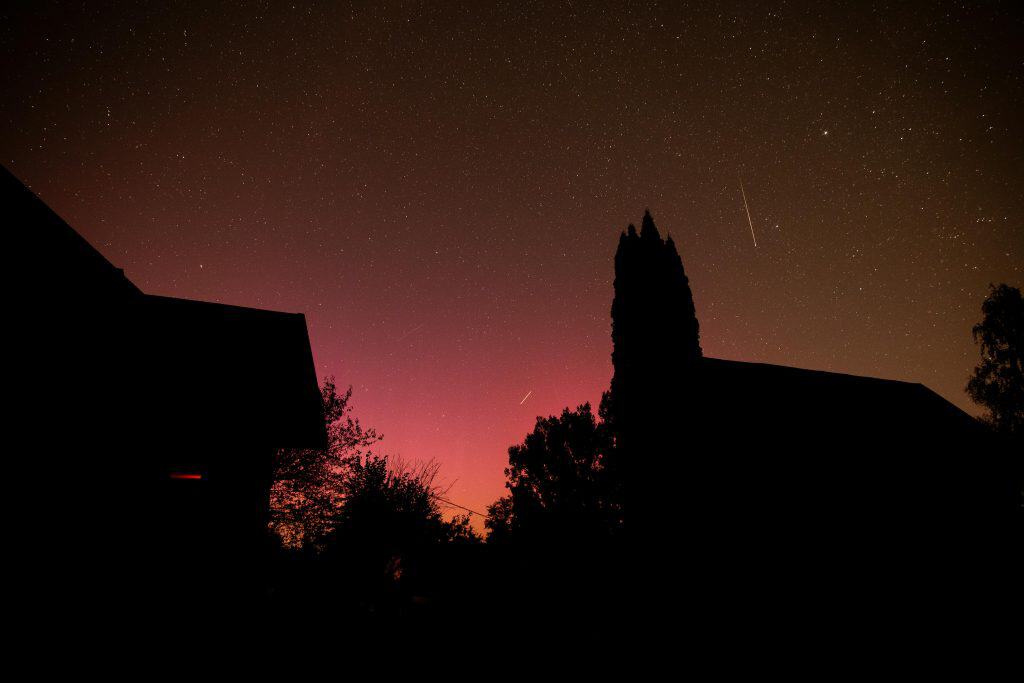
Up to 50 meteors per hour can be viewed. And in 2026, dark skies will be given to us by the new moon. That pairing is not seen every year, so this year is worth noting. Your calendar should be marked now.
Geminids – December 13 to 14
The Geminid shower is often placed at the top of the list. Full stop. Up to 75 meteors per hour can be watched, and the show starts early in the evening. That means a 3 am wakeful wait is not asked of you. The moon is kept to a thin crescent, so the sky stays dark. A blanket can be taken outside, and we can all enjoy a good, long look.
Draconids – October 9
Only about 6 meteors per hour. Not a big show by any means. But the moon is almost gone that night, so you get clean, dark skies. A calm and quiet watch, and it is great for first-timers.
Ones to Manage
The Eta Aquarids in May and the Delta Aquarids in July are both placed near a nearly full moon. So many meteors are lost in the glare. The view is made much harder for you. The Andromedids in late November are made even tougher to enjoy.
How to Watch a Meteor Shower
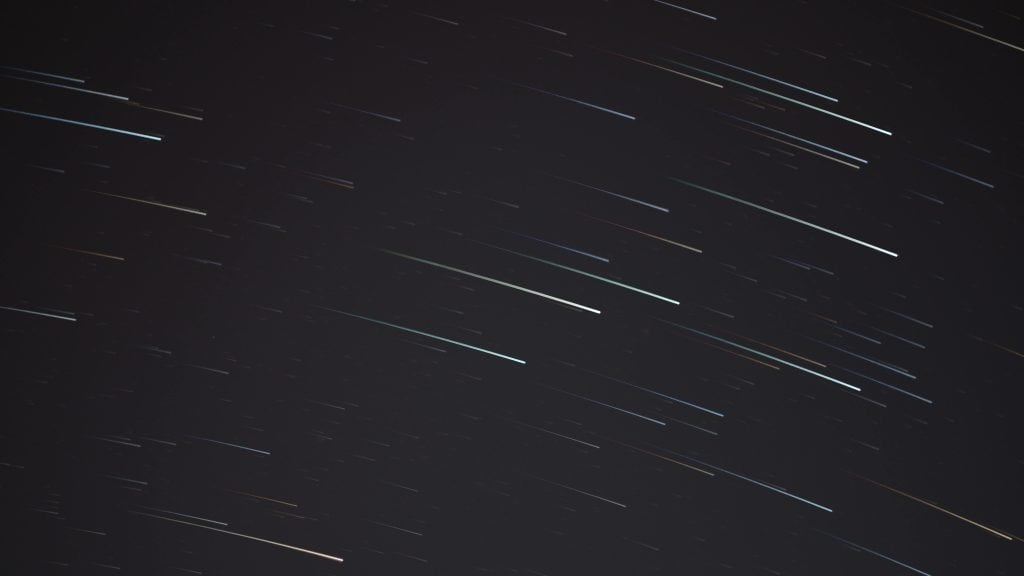
No special gear is required. No telescope or binoculars are needed to be brought along. Only your eyes and some patience are required.
Here’s what actually helps:
- Get away from city lights. A short drive out of town is often rewarded with a much better view.
- Give your eyes 20 minutes to adjust to the dark. This part should be taken seriously.
- Lie flat on your back. A wide and open part of the sky should be watched.
- Watch between midnight and dawn. That period is usually treated as the best time.
- Stay off your phone. Night vision is wrecked quickly by a bright screen.
Dress warm too. Even on summer nights, a chill can be felt once you are left still for a long stretch. We are all humbled by that sooner or later.
Before You Head Out
A few last things worth checking:
- Moon phase: A bright moon washes out the dimmer meteors. Plan around it.
- Weather: Clear skies matter more than the date. Clouds will ruin your night.
- Where to look: Aim between the radiant point and straight above you. That’s your sweet spot.
Hopefully, the Geminids in December treat you well because they’re your best shot. Any dark, clear night near a peak date is worth trying. You might see something you’ll talk about for years.

